
How do people turn shared concern into shared power?
Most of us are taught how institutions work. Fewer of us are taught how people make institutions answerable.
This is a public study of the practical side of change: how coalitions form, how campaigns hold, where power is built, and what helps ordinary people keep going.
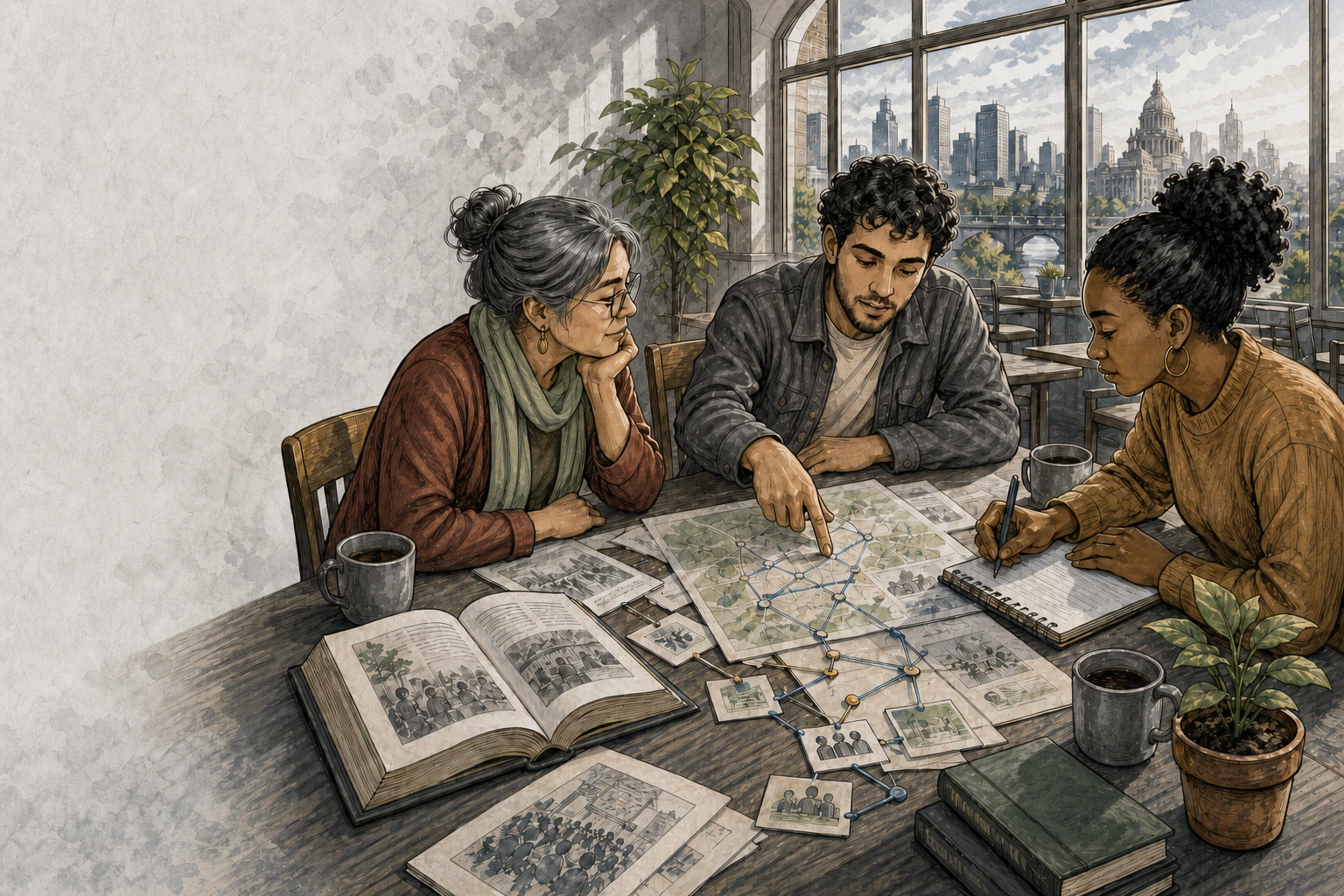
Democracy doesn't run on good intentions or election days alone. It depends on people who can find one another, decide what they want, build enough power to be heard, and keep working after the first win.
I'm trying to understand those mechanics — and make them easier to see.
From concern to commitment
What turns private frustration into shared work? What makes people come back after the first meeting?
From many stakes to one campaign
How do coalitions stay together when the people in them need different things?

From a win to durable power
What changes after an election, a policy victory, or a successful campaign — and what stays exactly the same?
From a moment to a movement
What makes relationships, leadership, and structure durable enough to outlast the news cycle?
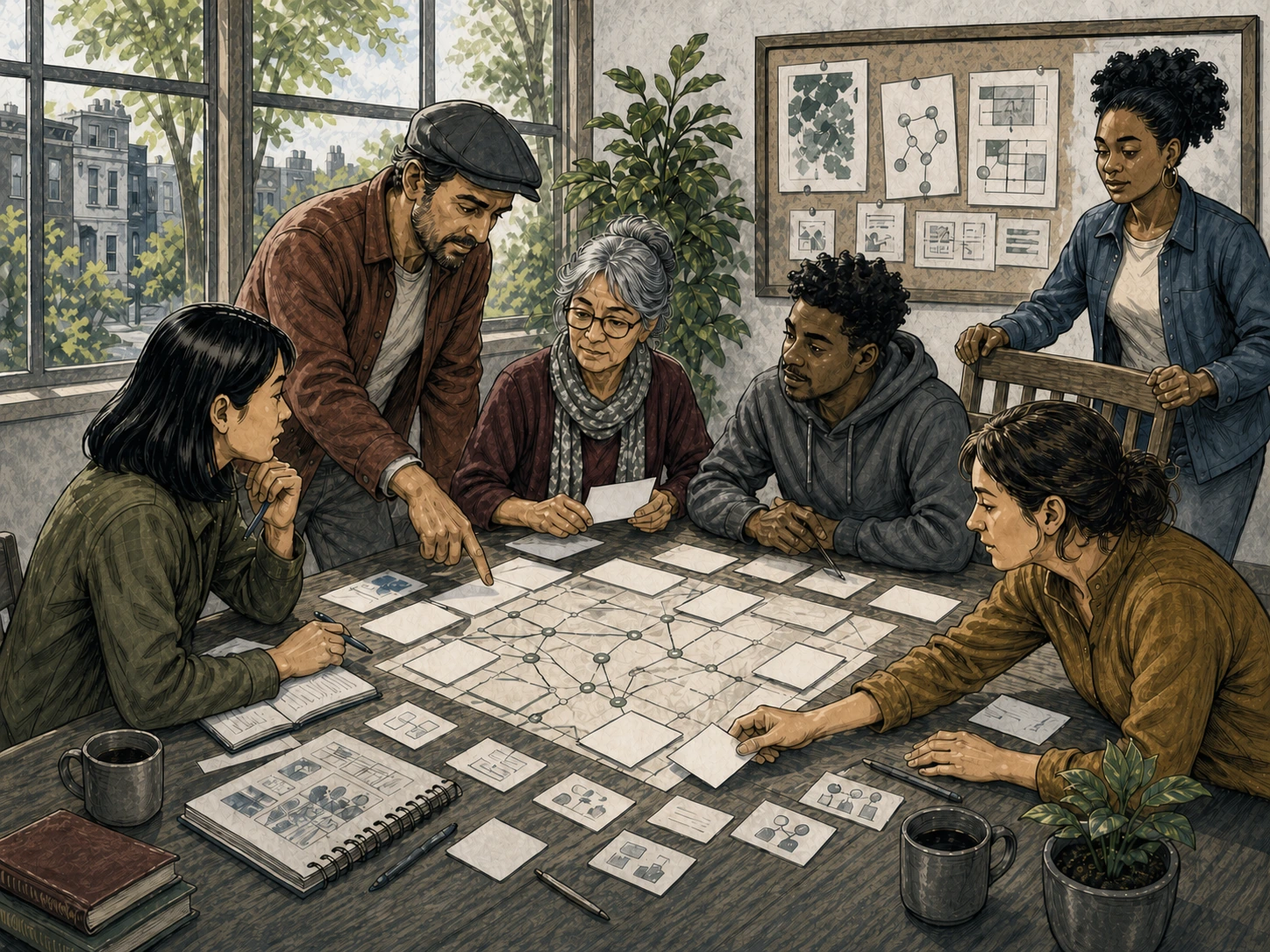
I'm reading history from below, research on organizing and civil resistance, and accounts from people who have done the work.
I'm looking for patterns — not a universal formula: what made action possible, what broke coalitions, what created leverage, and what helped people stay in the fight.
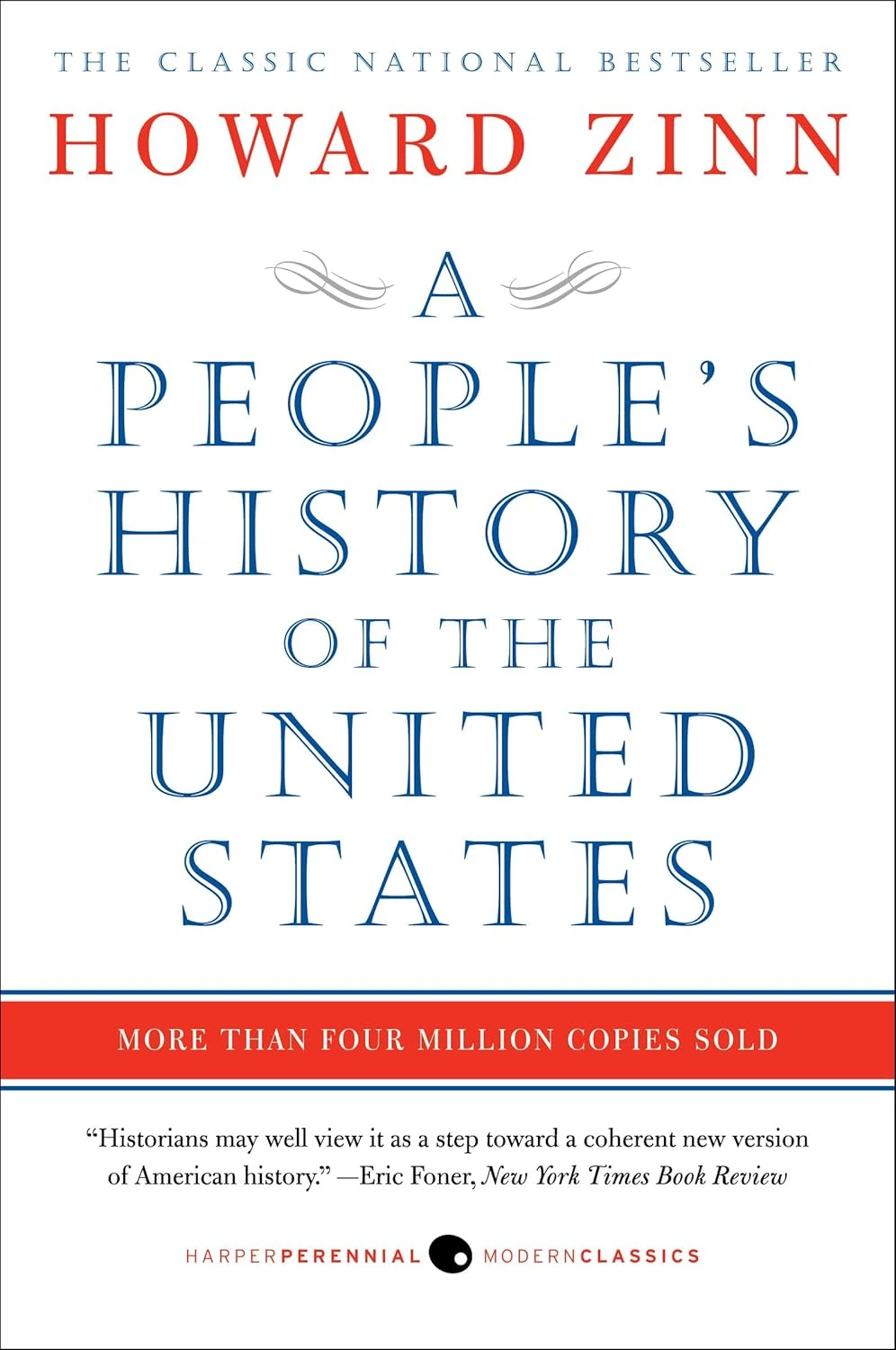
A People's History of the United States — Howard Zinn
A starting point for looking at power from the ground up: who organized, who resisted, what got remembered, and what was left out.
American Character — Colin Woodard · The Tyranny of Merit: What's Become of the Common Good? — Michael J. Sandel · The Empathic Civilization: The Race to Global Consciousness in a World in Crisis — Jeremy Rifkin · Technofeudalism: What Killed Capitalism — Yanis Varoufakis · The Silk Roads: A New History of the World — Peter Frankopan

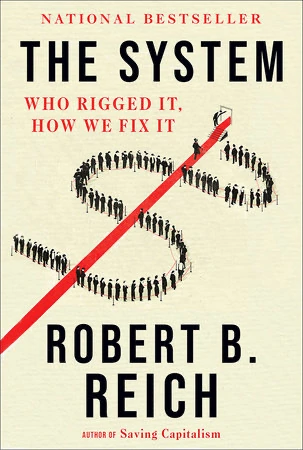
The System: Who Rigged It, How We Fix It — Robert B. Reich
How oligarchy works in America, how money gained power, and why democracy is at stake.
Find the book →Practical resources for people trying to organize where they live. Free, no strings, email required.
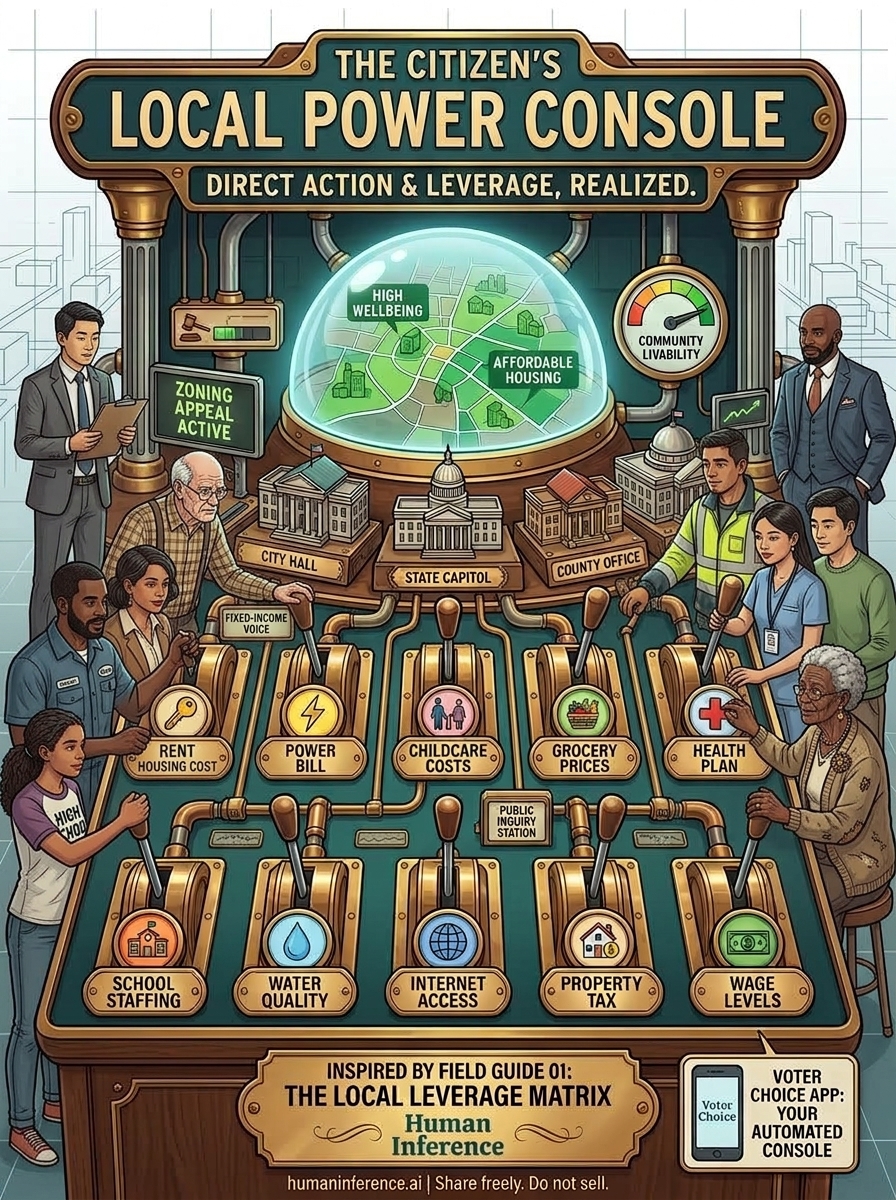
A one-page table that turns 10 everyday frustrations — rent, power bills, groceries, school staffing — into exactly which official controls it and what you can do about it today.
Get the guide →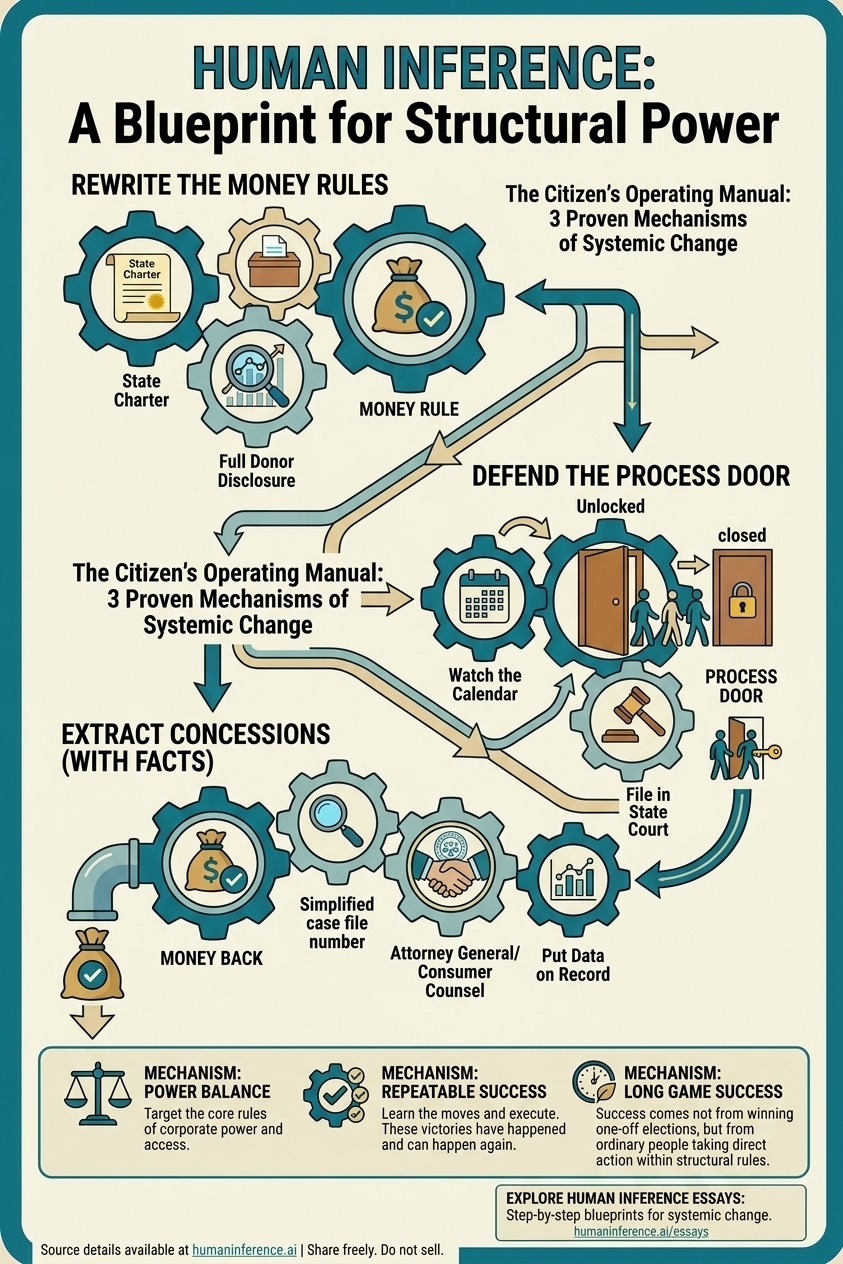
Three real stories of ordinary people winning structural change — a state money-in-politics rule, a blocked ballot measure, a utility rate fight — broken down into a playbook you can repeat.
Get the guide →