Democracy is Not a Spectator Sport
Taking action in democracy, finding the next useful step, and holding the spirit together while doing the work.
Read this later - send a copy to yourself and receive a new story every Sunday
One story every Sunday. Unsubscribe anytime.
I was recently featured in Forbes with my app, Voter Choice. The title comes from the lesson of that article - democracy exists through action.
I had planned on writing about getting ready to vote on Election Day: It was going to have logistics, short actionable steps like printing out your picks ahead of time, checking on wait times etc.
But I think we’ve all had too many text messages reminding us to Go VOTE that one more reminder to the mix is not going to add anything useful. Instead, what’s driving me to write today comes from survey responses from people who signed up for this newsletter:
“I’m sick of the way things are but I’m too worn out to do anything” “It feels like nothing ever changes and there’s nothing we can do” “The system is too complex; I don’t know where my leverage is”
(These are choices from the survey, not verbatim responses).
Everyone felt that the hardest part was knowing what regular steps we can take on a daily or weekly basis to make things better. And what people want more of includes figuring out what to do next, how to stay true to what matters most, and explaining how I do the work I’m doing like building a ballot research app to help fight money in politics.
While I don’t have all the answers, I do think that building Voter Choice and putting it in front of people has taught me a lot. So many of these lessons have less to do with organizing, volunteering, or protesting - and more to do with just holding the spirit together while attempting to do the work and keeping it going.
I’ll share what I’ve found to be some of the hardest lessons I had to learn, and how I’ve navigated them.
Unfreezing Inaction
I first started worrying about the future when AI started going mainstream, because it was both exciting what it could do but also foreboding of how it could worsen many of our social problems. After all, human decisions made the world we lived in today - why would a new technology suddenly change the decisions we made? I honestly did NOT know what to do with that discomfort, although I did end up writing about it in a chapter of a book I co-authored, titled “Why everything feels broken (and what can we do about it).”
Just the fact that I had this chapter to write and a deadline gave me the permission to just start looking in the direction of what I was feeling, even if I didn’t know what it was. It wasn’t even until after the book was already published that my conversations with my retired parents on the declining state of their well-funded community led me to asking questions that led to reading about money in politics. After discovering Gilens and Page’s 2014 study on how the opinions of most Americans do not sway which policies get passed, it inspired me to build Voter Choice to try to combat how money affects our voting choices in deciding who gets to hold power.
There was no clear idea of what I was going to do, I was just following what made sense at the time, one step at a time. Luckily I had over a decade in product experience where I’ve had to navigate a lot of ambiguous situations - I was a one-person product org for two brands managing a portfolio of products, and no two launches ever looked the same. I had to learn very quickly to get used to not knowing everything and not getting comfortable into a settled groove.
But that took a lot of repetitions to build up that muscle. The hardest initial challenge for any big hairy problem, like starting a business or solving social issues, is simply the ambiguity of the problem. And I want to be upfront about this - the ambiguity doesn’t actually go away. What does get easier though, is your comfort level with navigating it. That muscle gets stronger with use, so that at first, it feels like your brain might freeze if you didn’t have everything figured out. Then one day you notice that you’ve learned to just shrug and lean into it, knowing you’ve always managed to figure something out.
The trap is in thinking that building the perfect plan of action will be the right way to start. There is a level of knowing enough to find the next useful action, and then there’s the version of fear that’s trying to protect you from failure. It’s the thinking that sounds like, “If I can somehow imagine and plan for every possible scenario, I can control the path to ensuring I get the outcome that I want.”
Granted some risk analysis makes sense to do. But once you feel like there are no real blockers, any more is just feeding the fear. There has been no plan that has ever survived contact with reality, so your best bet is to learn while doing things, and plan ahead just one step at a time. Eventually you start to notice it’s getting easier to hold space for not knowing and being okay with it. Most importantly, it stops preventing you from doing something.
I don’t normally paywall content, but I figured only a subset of you are interested in the builder’s lesson that relates to this topic, so it makes sense to hide it from the main story to keep it focused. Access that through any paid subscription - you have my thanks for your support 🙏
You just need to start somewhere. Anywhere is fine, as long as it’s a step. Once you’ve done something, you’ll learn enough to figure out the next step or two. And you just keep on going.
Ignore the Noisy Narratives (they’re untrue anyway)
I highly recommend reading a book or two, if you can spare the time. Years of absorbing online conversations will not get you nearly the depth of understanding and a grasp on the situation as reading a single book over the weekend.
I have recommended Robert Reich’s The System before, which has made me much more aware of the ways in which money buys power today in America. I also recommend answering your own questions with any AI chatbot of your choice - double check its sources though, and know that different AI models can be trained on different data that affects their output.
I also recommend NOT paying attention to the social media and mainstream news circus online. It can seem like everyone in the world has lost their minds if that’s the majority of your signal on the world.
There’s a rough rule of thumb for online communities called 90–9–1: 90% mostly observe, 9% contribute occasionally, and 1% contribute heavily. The loudest voices aren’t necessarily representative of everyone else.
And we may overestimate how many people are behind the harmful content we see. One study found that Americans guessed 43% of Reddit users had posted severely toxic comments, when the platform data used for comparison put it closer to 3%. What looks like everyone losing their minds can come from a much smaller group than we imagine.
If you believed only what the noise online says, you’ll end up believing that it’s impossible for us to find common ground and build solutions together. Yet if you go out into the real world and just observe people, there’s far more civility than you’d think is possible.
One of the most amazing things I’ve seen online is The Enemies Project: A former lawyer trained in mediation practice brings together people from opposite sides of a heated political issue and moderates a dialogue. If you ever need your faith in humanity restored, watch this video of a Black female protestor and a White male police officer.
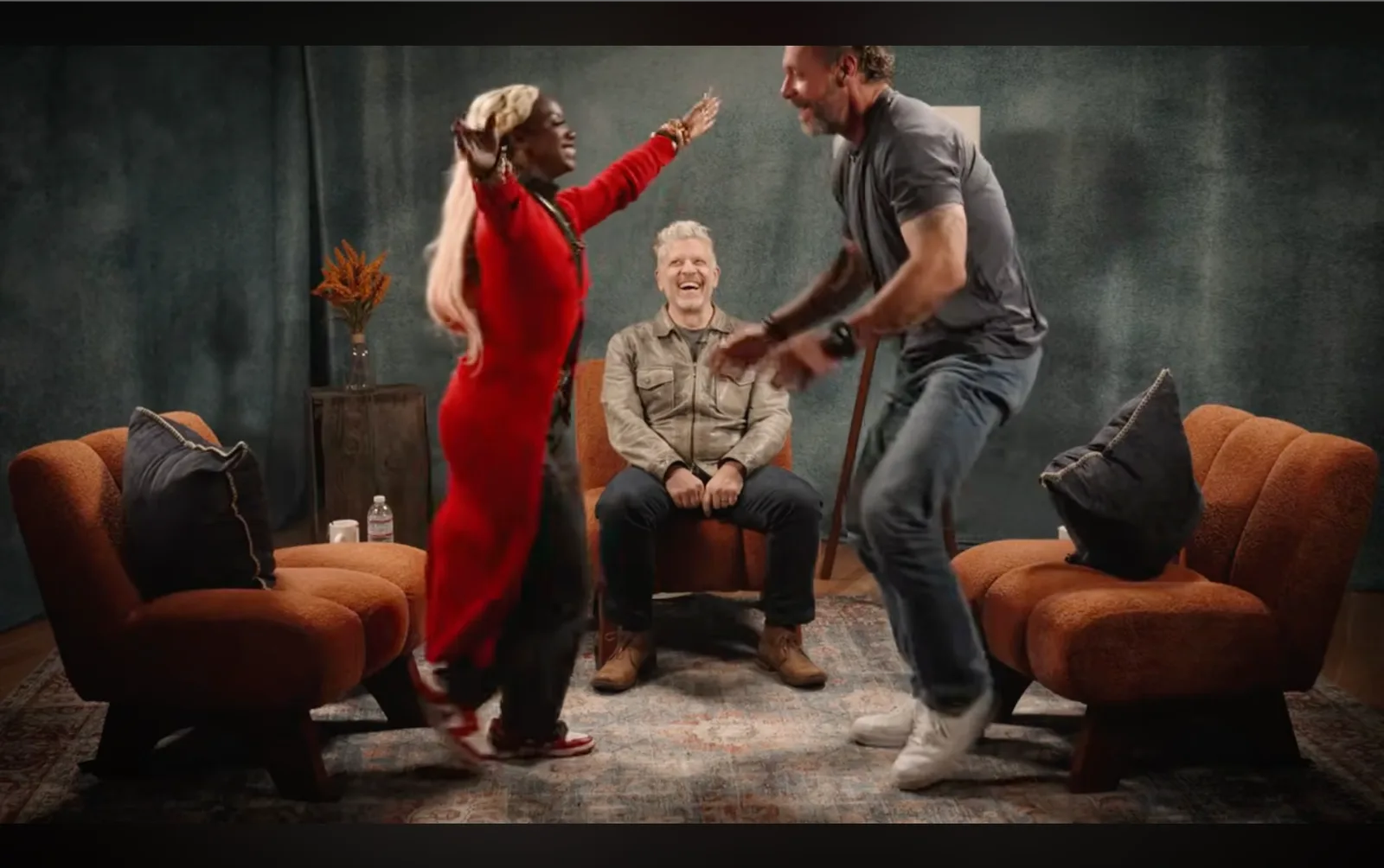
I’m not crying, YOU’RE crying 🥲😭
Here’s the one thing you can start doing today, and it’s both simple and hard to do: Refuse to accept the narratives that make things seem impossible to solve. The media and political discourse can easily make you feel like all the “other people” are the problem and that there’s no way for us to find alignment or fix anything. The first thing you can do is simply refuse to believe that is true.
Humans are capable of amazing things. We can figure this out. But we have to first believe it’s even possible to get there, or else our minds will never escape the trap of thinking it’s impossible.
Voting is People Power - Use It
I think I’ve said a lot, but there’s more to share later. For now, I do want to encourage you to do one other thing this week that can make a difference, and yes I’m sorry to say it IS about voting!
Most of us go vote and maybe see the ballot for the first time when we’re at the polls. But the people you’re electing to positions of power will affect your life and community for years. If you’re already going to take the time and effort to stand in line to cast your ballot, you may as well make it count by looking up the ballot first.
The hard part is finding information on every single measure and candidate on the ballot. While national politics get all the attention, it’s our state and local races that affect the rent we pay, the schools we send our kids to, the courts, and the roads we drive on daily. Most people skip learning about the candidates in those races because it’s often too hard to find any information about them.
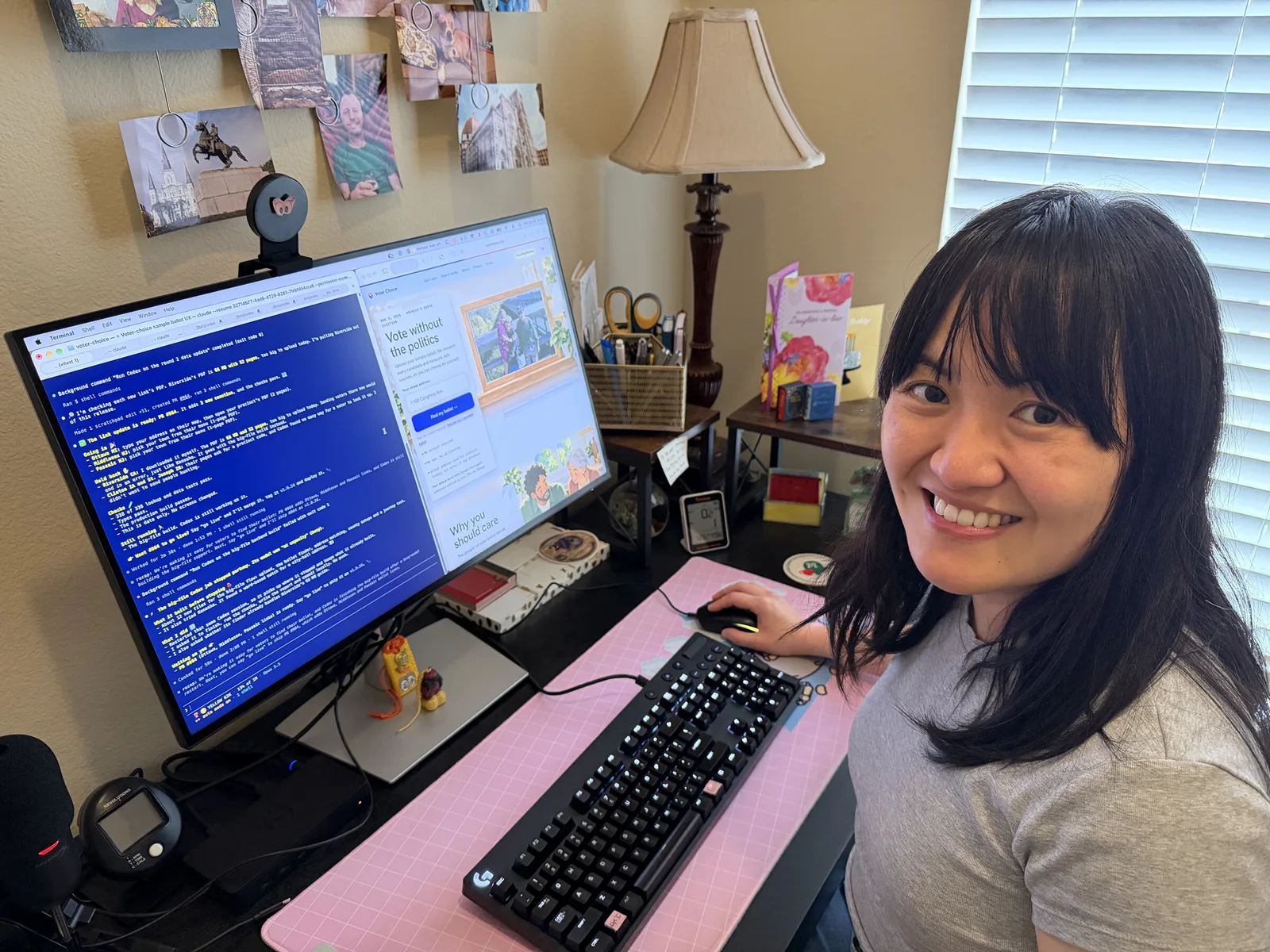
Voter Choice can now help you research your ballot, including state and local races. Bear with me as I’m still closing gaps in the data it’s finding and building in information that people have requested, like rulings by judges. But I have used it for myself this past week and felt more confident that my votes went towards the person I thought was best for the job.
I encourage you to use any tool you’d like, and multiple guides like Ballotpedia and League of Women Voters already exist that can give you information on your candidates and measures. Voter Choice just streamlines it so you can make your picks, print them out for the polls, and deep dive into visualizations like donations data and promises kept vs broken.
I’m always looking for ways to make this app more useful, so tell me if anything is off, confusing or could be better. If you like the app and want to help it grow, share it with someone who’s having trouble researching their ballot.
Use it at voterchoice.vote
And appreciate the fact that you bothered to do anything at all. Doing the work already counts as a win.
All my best,
Muxin
