Judge candidates by actions, not rhetoric
Campaigns tell us what candidates promise. Their records show us what they actually do.
Read this later - send a copy to yourself and receive a new story every Sunday
One story every Sunday. Unsubscribe anytime.
Midterms are coming. For the next few weeks, Human Inference will focus on the actions you can take to make your vote count.
Imagine spending millions of dollars trying to get someone to vote for you. You’ve got ads running, people making calls, your face on signs all over town. You’ve rehearsed the speech. Everyone is going to hear what you’re promising to do for them.
Then someone skips the speech and goes to look up what you actually did the last time you held office.
Personally, I find that hilarious.
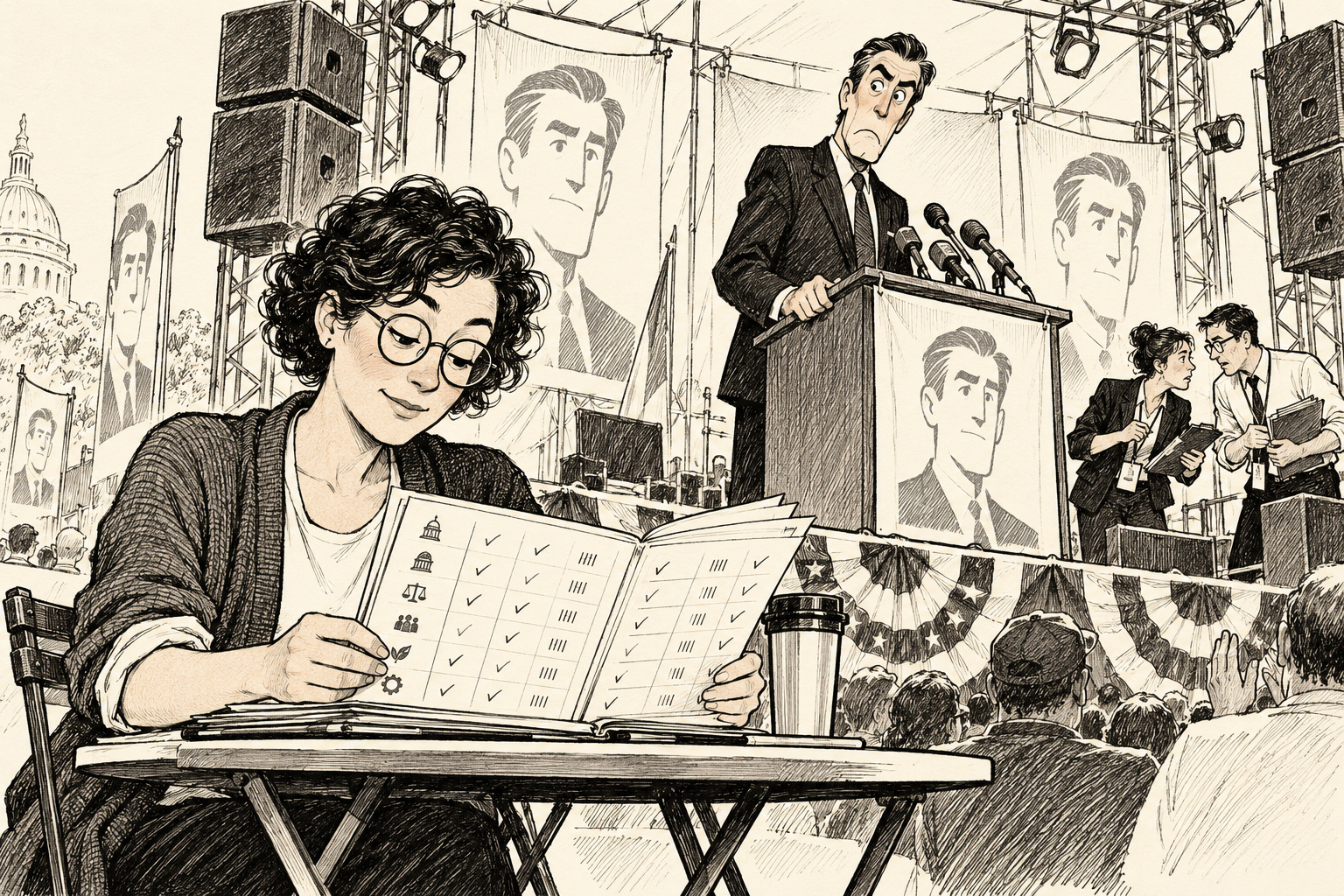
In “the world’s broken, what can we do”, I talked about forms of leverage the public has to bend power in their direction. Voting is one of them. On November 3, all seats of the House of Representatives are up, and roughly 1/3 of the Senate.1 We get to decide who gets a seat in national power. These are people whose decisions affect the costs of medications we depend on and the infrastructure that supports our lives.
But figuring out who to vote for is fraught with noise. Campaigns raise millions to get your attention, persuade you to support their candidate, and get their supporters to vote. That money pays for ads, mail, calls, door-knocking, and events.2 And it can affect election results. Political ads can change how people vote,3 and door-knocking can get more people to the polls.4
Then there’s the promises. People lie all the time, and politicians are way more likely to lie to get elected (an untested claim that I’m sure nobody is surprised to hear). You can spend hours following the news and social media and still end up trying to choose between two very convincing stories about the same person.
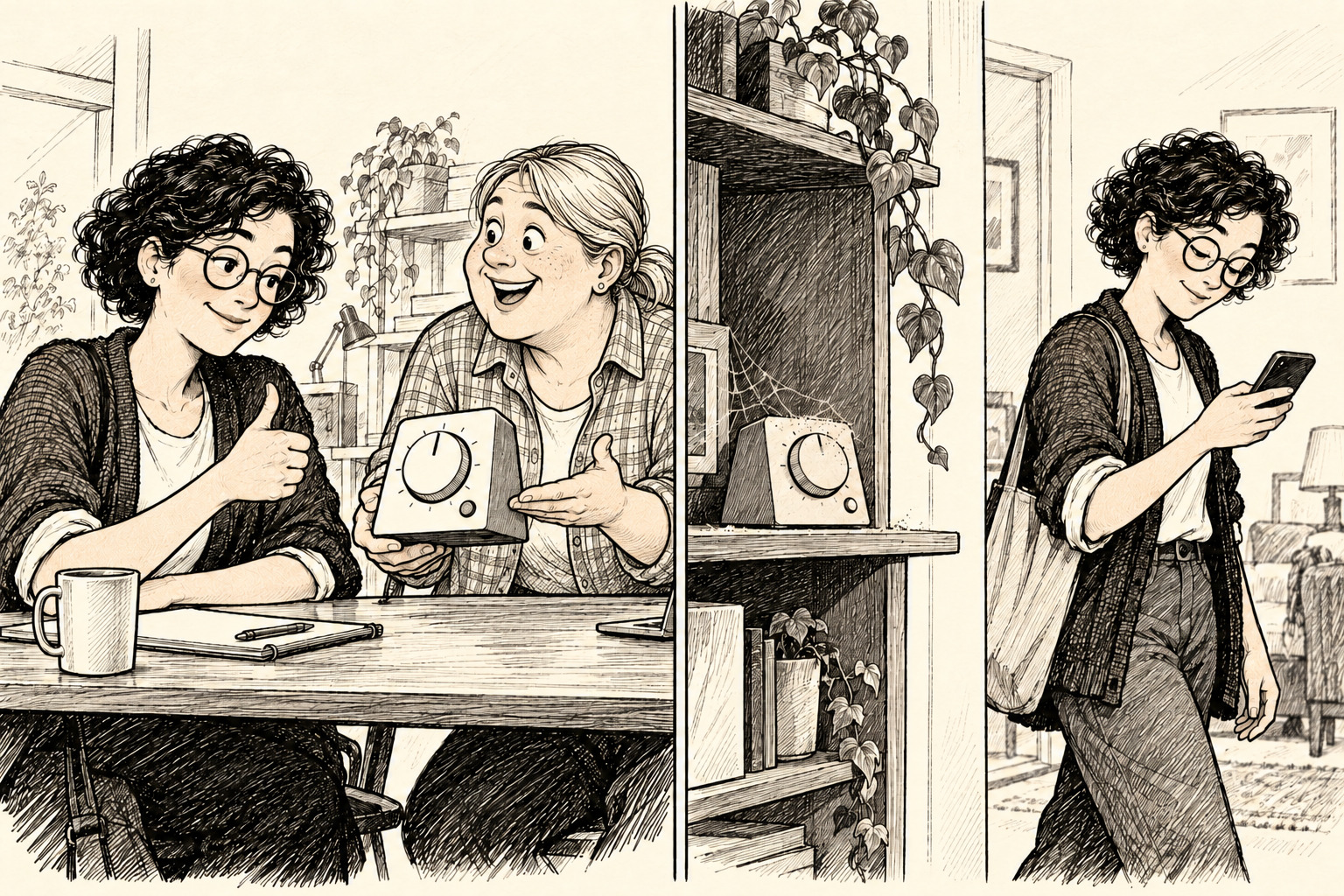
In product management, we run into a version of this problem. Ask someone if they like your idea, and they might tell you it’s great. They’ll absolutely use it. They’ve been waiting for something like this.
Then you build it, and nobody shows up.
Users can lie and claim they like our product because they don’t want to hurt our feelings. They can also genuinely believe they’ll use it, then never get around to it. That’s why approaches like The Mom Test and Teresa Torres’ interviewing strategies focus on specific past behavior.5 Ask about the last time someone had the problem. What did they do? What did they spend time or money on? Once the product exists, watch whether they use it and come back.
We can ask political candidates the same kinds of questions.
If someone promises to make your medication cheaper, how have they voted on legislation that could affect its price? What have they actually worked to get passed, funded, or stopped? If they haven’t held office, what have they done in their work or community that backs up what they’re promising now?
And whose money did they take? Does that money come from special interests, or groups who are pushing for things you disagree with? Donations often come with expectations, and the biggest donors use that leverage to have a louder voice on shaping the rules society runs on.
That’s the whole point of why I built Voter Choice6 - to make it easier to see the facts that matter when you’re trying to figure out what someone might actually do in office. You shouldn’t have to follow every speech and argument to make an informed voting decision. You have a life to get back to.
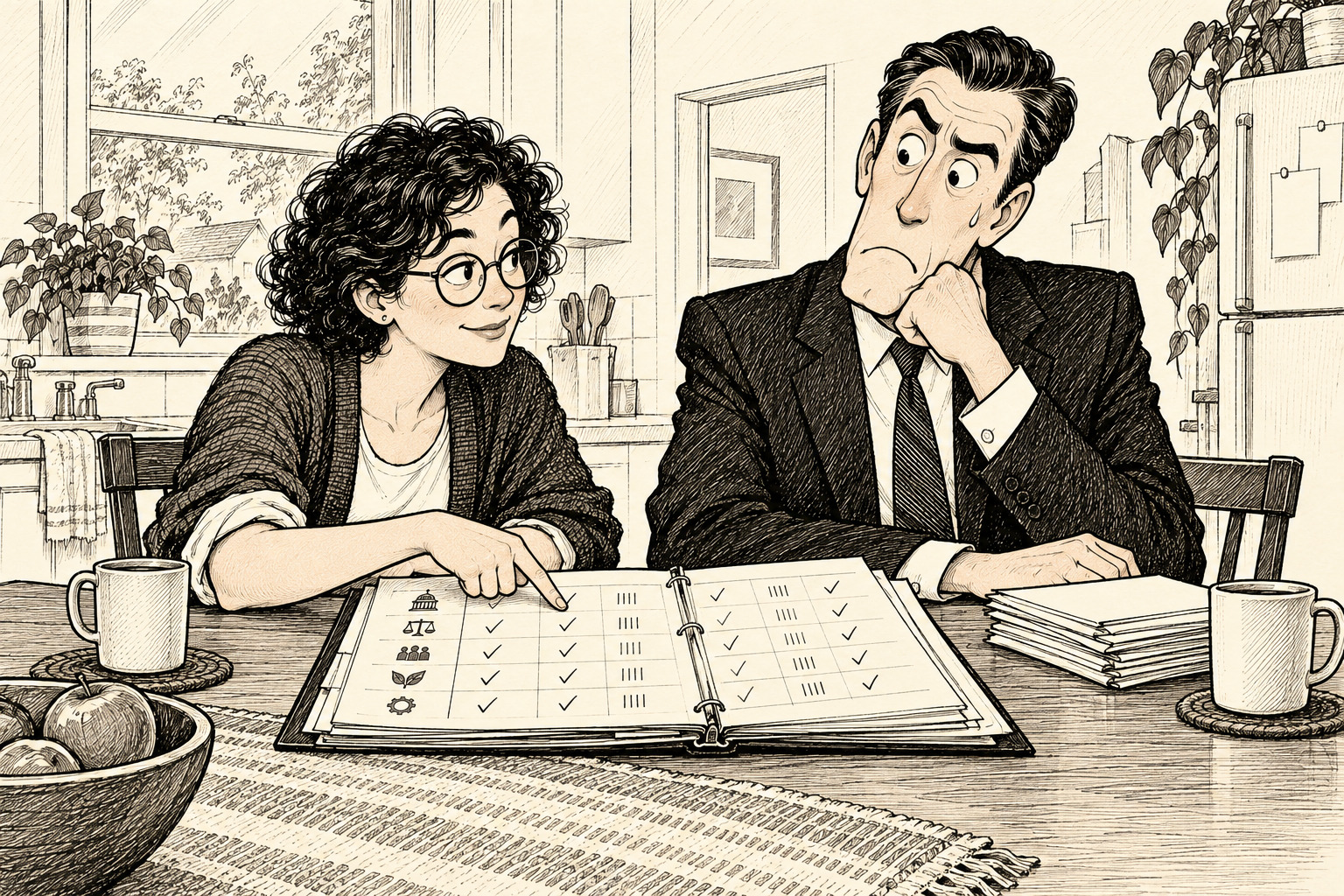
Imagine if checking the record became a regular part of how we vote. Candidates would start to expect it. They’d know we’d look up what happened to those promises, and remember the vote long after the campaign had moved on to its next message.
If expensive campaign messaging had less influence over our decisions, how much more pressure would that put on politicians to actually represent our interests? Members of Congress have described being expected to spend hours each day calling donors.7 What if their best chance of getting reelected depended more on what they did in office? How might that change where they put their time, and who they listen to?
Let them spend millions telling us who they are. Meanwhile, we can look up what they’ve done.
Take a look at Voter Choice.
Footnotes
-
Federal Election Commission. 2026 Congressional Primary Dates, listing the general election date as November 3, 2026. U.S. House of Representatives, History, Art & Archives. House Service & Seniority. U.S. Senate. Senate Classes.
-
Federal Election Commission. Statistical Summary of 12-Month Campaign Activity of the 2025–2026 Election Cycle, covering January–December 2025. Federal Election Commission. Disbursement Category Code Descriptions.
-
Jörg L. Spenkuch and David Toniatti. “Political Advertising and Election Results.” The Quarterly Journal of Economics, 2018. Research paper.
-
Alan S. Gerber and Donald P. Green. “Does Canvassing Increase Voter Turnout? A Field Experiment.” Proceedings of the National Academy of Sciences, 1999. Research paper.
-
Rob Fitzpatrick. The Mom Test: How to Talk to Customers & Learn If Your Business Is a Good Idea When Everyone Is Lying to You. Teresa Torres. “Story-Based Customer Interviews Uncover Much-Needed Context.” Product Talk, April 3, 2024. Torres discusses customers giving compliments to be nice and recommends asking about specific instances of past behavior.
-
Voter Choice. Candidate research tool.
-
Rep. David Jolly. “Stop Act.” Congressional Record, February 24, 2016, pp. H860–H861. House floor remarks. Jolly described a party orientation schedule recommending four hours a day of fundraising calls, plus another one to two hours of networking and fundraising. This describes expectations, rather than a measurement of how all members spend their time.
