Before You Trust Someone With Power
How do you choose who to trust with power?
Read this later - send a copy to yourself and receive a new story every Sunday
One story every Sunday. Unsubscribe anytime.
I don’t pay much attention to politics. Can you blame me?
Between the drama and constant information whiplash, it’s hard to get a grasp of what is happening. Sometimes it feels like the more you tune in, the less you understand.
But I do try to show up as a citizen and vote. And I’ve been on both extremes. I once spent over two hours studying a ballot for a minor local election. I’ve also voted for someone simply because they were the first name listed in the race.
When you’re looking at a ballot and you have to make that decision, how do you do it in a reasonable way?
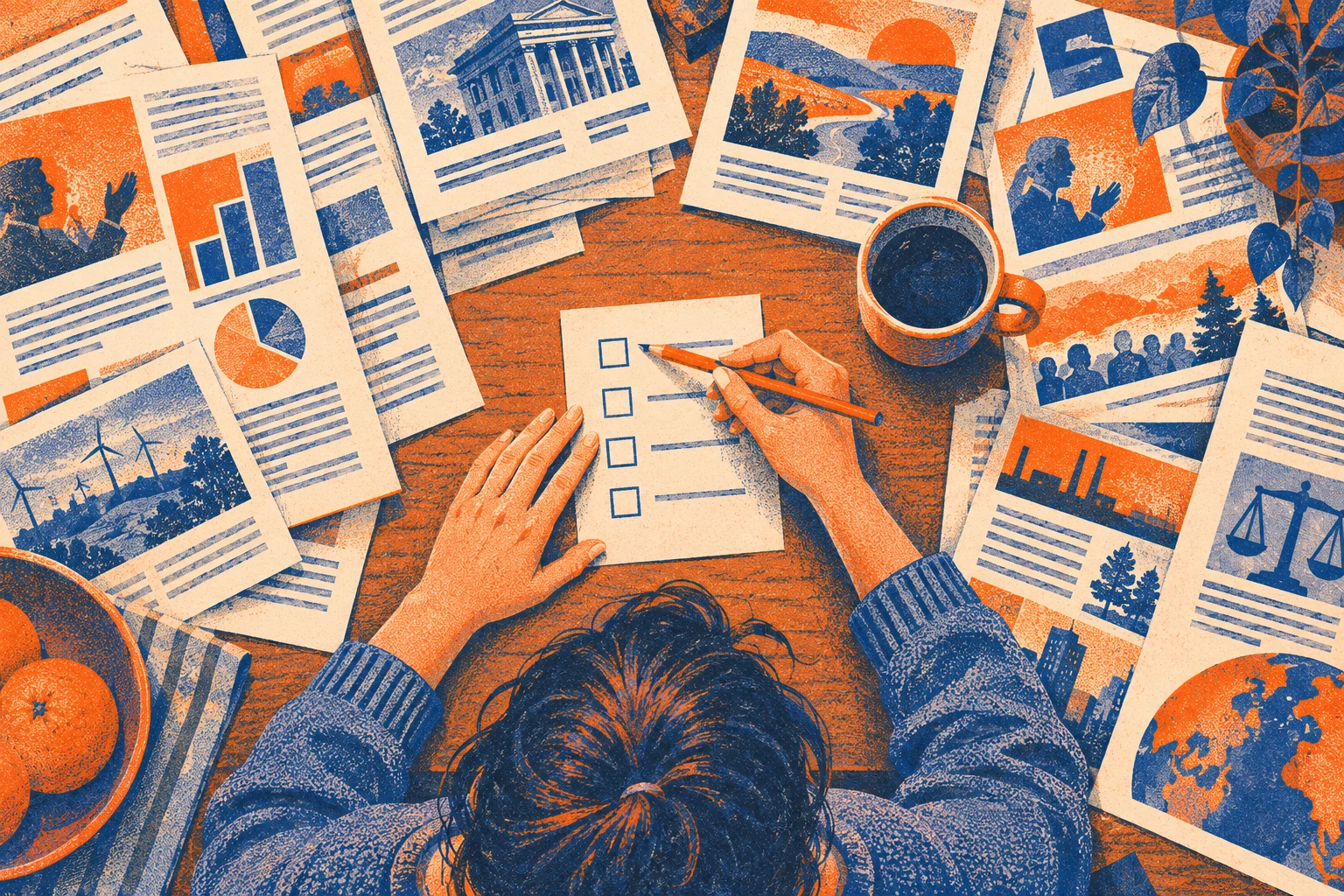
I don’t think it should require hours of research for every election. But I’d like a better basis than the order someone’s name appears on a page.
Because what we’re ultimately deciding is this: Who do we trust with power over our lives and communities?
Most of what we hear are the promises, the visions, the campaign slogans and the great ideas to solve everyone’s problems. I find that difficult to rest on. Talk is cheap, especially when someone is trying to get elected.
So I’ve been trying to approach the decision through a simpler question: How have they used the power they’ve already had?
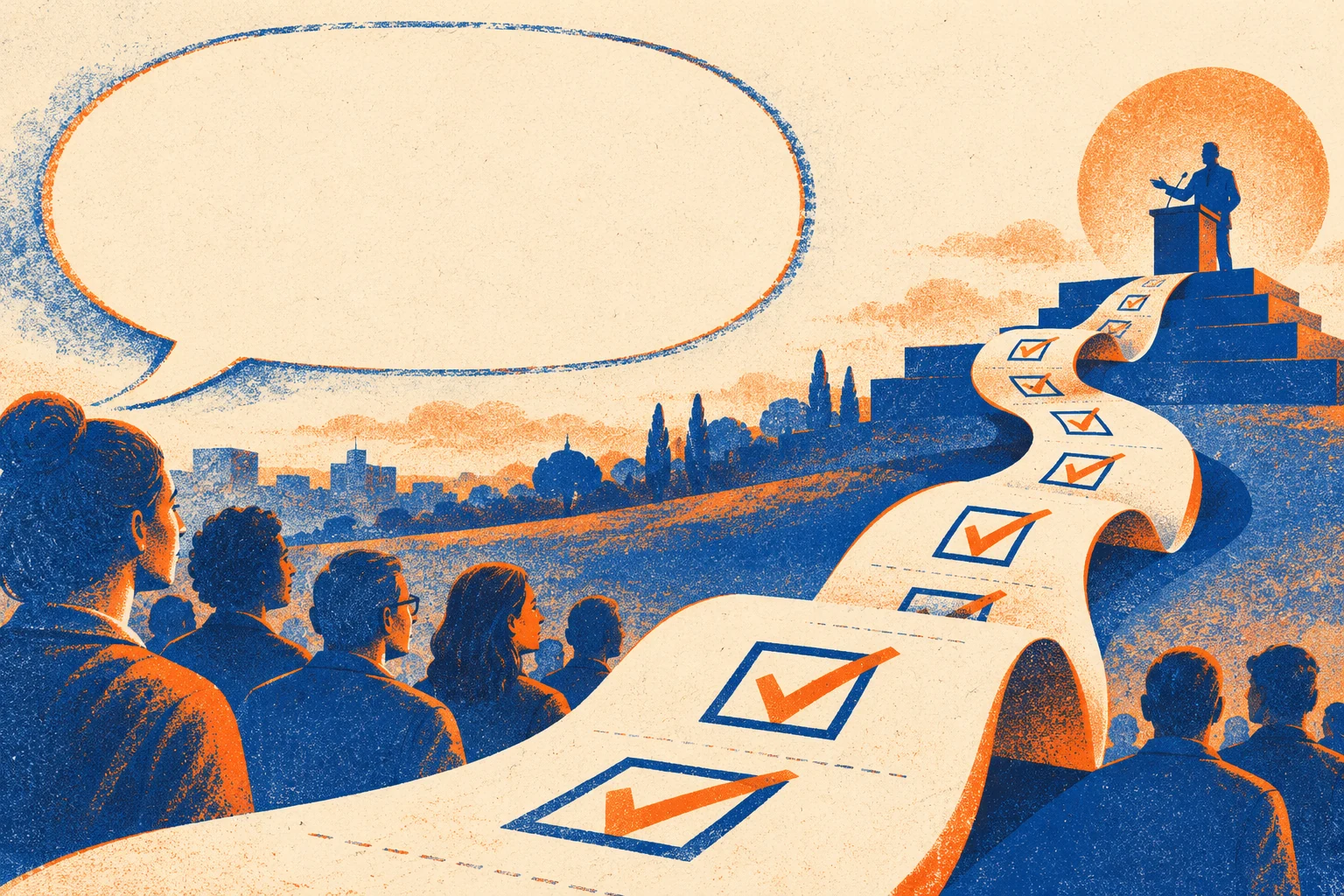
For someone who has served in Congress, there’s a public record. How have they voted? What bills have they supported? Who has helped fund their campaign?
If someone says an issue matters to them, but repeatedly votes against bills addressing it, that gives me less reason to believe it matters to them. If their decisions consistently benefit the interests funding their campaign, I’d like to know that too.
Of course there’s nuance - donations don’t mean someone is bought, and a single vote isn’t a statement on their entire record. But patterns give us something to go on.
And there’s good reason to pay attention to the money.

Former Senate Majority Leader Tom Daschle once estimated that senators spend two-thirds of their time fundraising.1 That’s a staggering amount of time spent asking for money to keep a job we’ve already elected them to do.
The relationship between spending and winning is striking too. A research paper drawing on OpenSecrets data notes that nearly 90% of Congressional elections since 2000 were won by the candidate who spent the most money.2
Our representatives have a strong incentive to keep their jobs. When keeping those jobs depends so heavily on fundraising, it’s reasonable to ask whose interests get their attention.
Back in The world’s broken. What do we do?, I shared a 2014 study by Martin Gilens and Benjamin Page. It examined 1,779 proposed policy changes and found that affluent Americans and business interest groups had substantial independent influence on outcomes, while average citizens had little or none in the researchers’ model.3
It’s understandable why findings like that make people want to sit out. If the people with money have so much influence, what difference does my vote make?
But democracy is more than holding elections. It’s also a belief and a practice of the promise itself. It lives through us because we believe in it and keep trying to make it real. Part of that is paying attention to who gets to represent us, and whether their actions give us reason to trust them. That responsibility continues through their time in office.
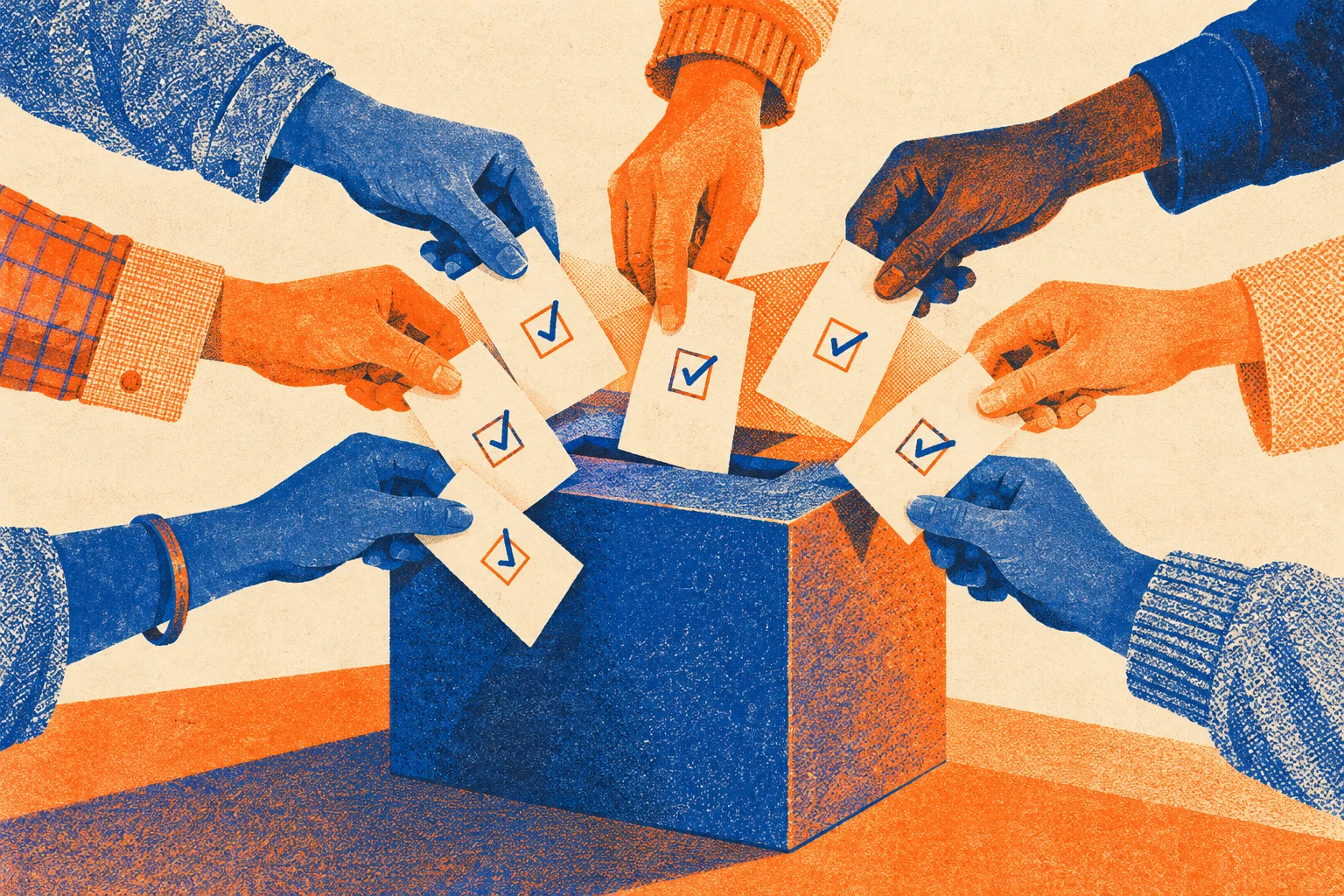
I also believe civic life could be easier on working adults. Most of us are far too busy to keep up with every news story and analyze every political promise or policy. We elect representatives to spend time on decisions we can’t all work through ourselves. We should at least be able to check how they’ve handled that responsibility without spending an evening piecing it together.
That was my idea with Voter Choice. Let me see how someone has voted and who has funded their campaign, in one place. Give me something concrete to compare with what they’re saying.
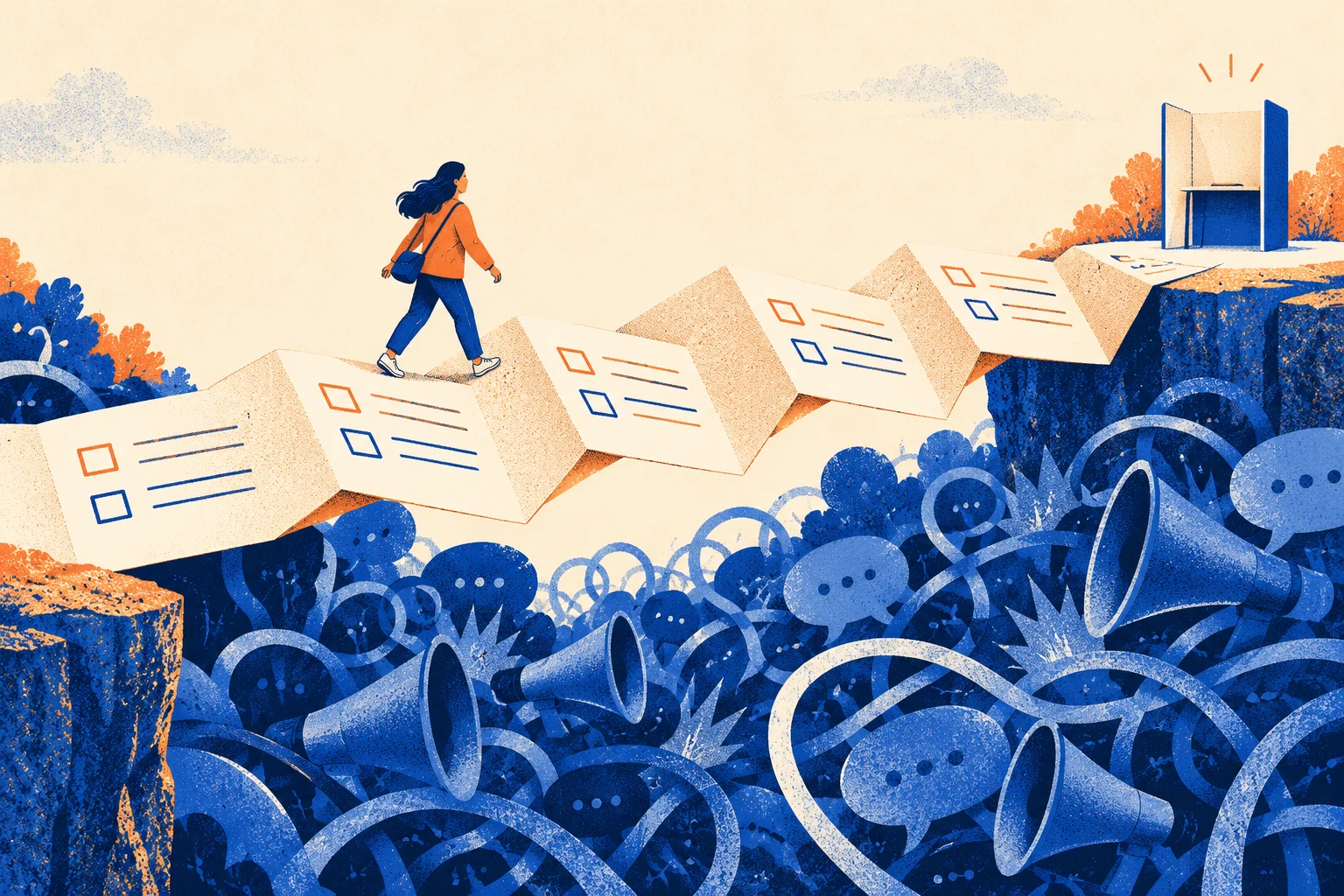
This works best for incumbents and people who already have a record in office. For challengers, we have to look more broadly at the responsibilities they’ve held and how they’ve behaved. The question is still useful: What have they done that gives me reason to trust them?
Voter Choice now supports state and local races too. Upload your ballot, and it researches the candidates and ballot measures using credible sources. If someone in your area has already paid for that research, you get it for free.
I built it because I wanted a reasonable way to make these decisions. Something between spending two hours researching a minor election and picking the first name on the ballot.
But choosing who to trust is only the beginning. Once someone takes office, I’d like to know whether their decisions continue to earn that trust. And I don’t think that should require following Congress every day.
That’s what I’m building next with Voter Choice’s founding membership. You’ll choose the issues you care about and get emails when your U.S. House member and senators vote on them. A way to keep up with what they do after the campaigning ends.
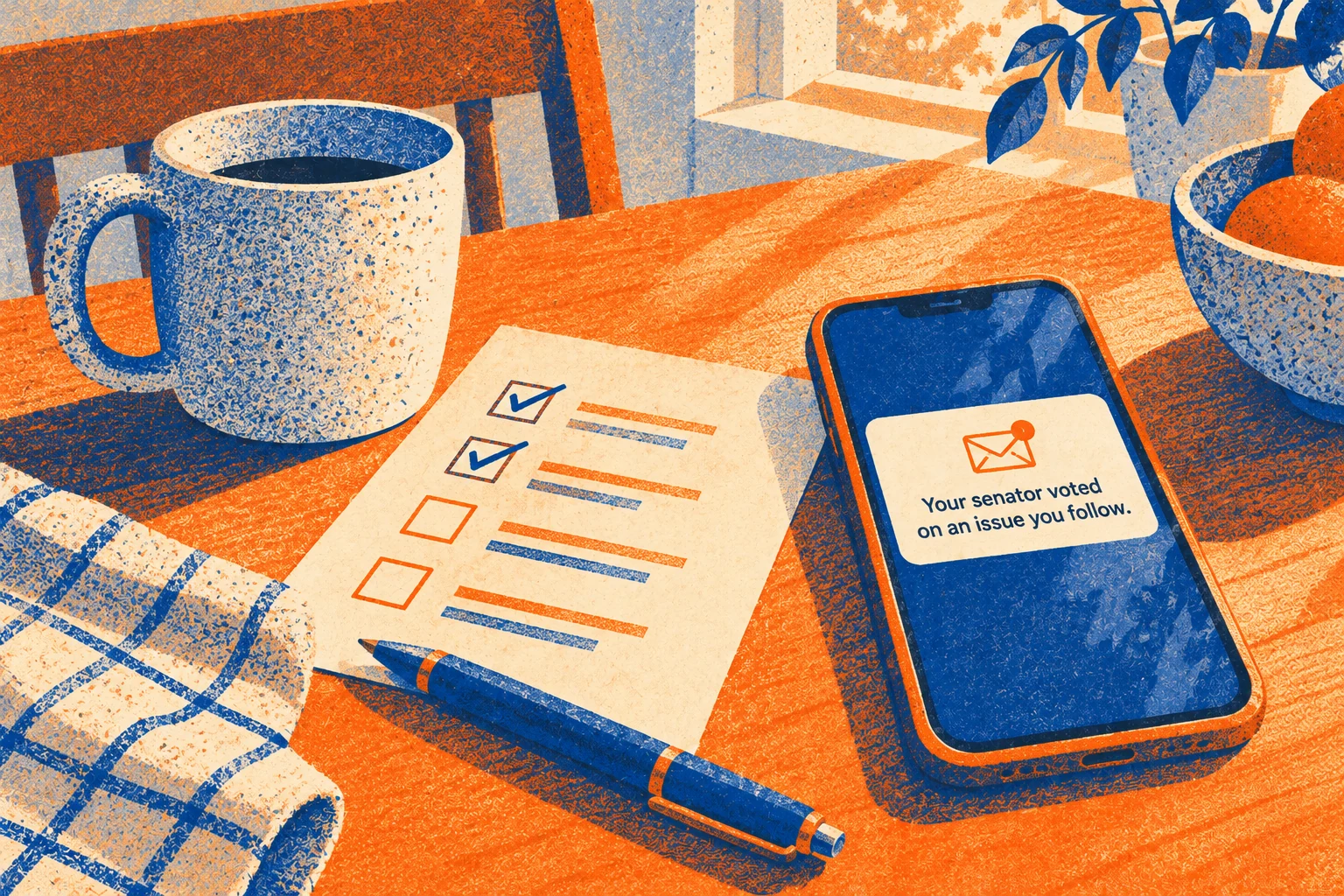
The election ends. Their decisions continue.
So that’s what I’d encourage you to try this year. Choose an issue you care about. Look at how the candidates have acted, who has backed them, and whether their record lines up with their promises. Then keep that question open after the election.
Before trusting someone with power, I want to know what they’ve done with the power they’ve already had. Once they have it, I want to keep paying attention.
If you’d like help doing that, founding membership is open.
Footnotes
-
Ian Millhiser, “A Republican Congressman’s Surprisingly Smart Plan To Keep Lawmakers Away From Their Donors,” ThinkProgress, January 19, 2016. Reports Daschle’s estimate about senators’ fundraising time.
-
Research paper by Colin R. Case and Rachel Porter, citing OpenSecrets (2022) data on Congressional spending and election outcomes.
-
Martin Gilens and Benjamin I. Page, “Testing Theories of American Politics: Elites, Interest Groups, and Average Citizens,” Perspectives on Politics, September 2014.
